US President Trump Rejects Israeli PM's Plea Against F-35 Sale to Türkiye
Benjamin Netanyahu urged the U.S. not to sell advanced fighter jets to Ankara, citing regional stability concerns, but President Trump signaled openness to the deal.
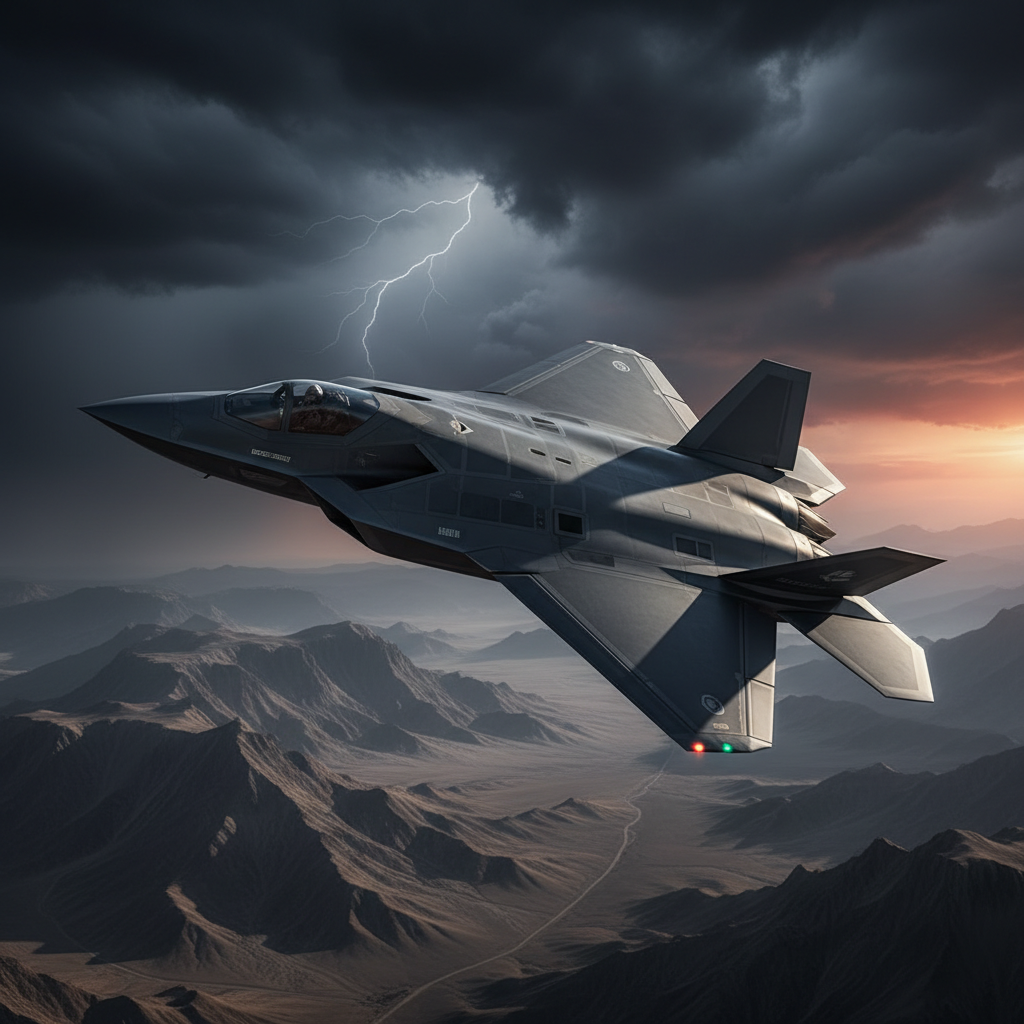
U.S. President Donald Trump has indicated he will not accede to Israeli Prime Minister Benjamin Netanyahu's request to block the potential sale of F-35 fighter jets to Türkiye. The disagreement highlights growing tensions between Washington and Jerusalem over regional arms deals and geopolitical strategy.
Netanyahu's Concerns Over Regional Balance
Prime Minister Netanyahu voiced strong objections to supplying Türkiye with the advanced stealth aircraft, arguing it would disrupt the delicate military balance in the Middle East. He specifically cited concerns about Turkish President Recep Tayyip Erdogan's rhetoric and actions, stating that Erdogan "calls openly for the annihilation of Israel." Netanyahu emphasized Israel's need for air superiority, which he believes is guaranteed by maintaining a technological edge over regional powers.
During a recent phone call, Netanyahu privately lobbied President Trump against the sale, and also publicly reiterated these concerns in an interview, suggesting that providing F-35s or their components to Türkiye would undermine American influence and Israeli security in the region.
Trump's Stance and U.S.-Türkiye Relations
President Trump, however, appeared dismissive of Netanyahu's worries, praising President Erdogan's leadership and Türkiye's development. Speaking ahead of a NATO summit in Türkiye, Trump suggested he was open to considering the sale, stating, "I have no concerns about anything." This marked a notable divergence from Israeli security assessments and indicated Trump's willingness to pursue separate diplomatic and commercial interests with Ankara.
The potential F-35 sale comes at a complex time for U.S.-Türkiye relations. In 2019, Türkiye was removed from the F-35 program due to its decision to purchase the Russian S-400 air defense system, a move that angered Washington. Despite this, Ankara has continued to express interest in acquiring the advanced American jets.
Escalating Rhetoric Between Ankara and Jerusalem
The dispute underscores the often-fraught relationship between Israeli and Turkish leadership. Both Netanyahu and Erdogan have engaged in sharp public exchanges, with Erdogan’s government accusing Israel of a disinformation campaign regarding its regional role. The Turkish Defense Ministry decried what it called a systematic propaganda effort by Netanyahu and his allies to distort criticism.
This diplomatic friction extends to broader U.S. foreign policy, as President Trump's administration has seen its own share of challenging interactions with Israel. Recent Israeli military operations in Gaza and Lebanon, which risked derailing peace talks with Iran, reportedly led to tense phone calls between Trump and Netanyahu, with the U.S. president allegedly demanding a halt to the strikes.
The differing approaches to the F-35 sale highlight the intricate geopolitical landscape of the Middle East, where U.S. alliances, regional rivalries, and arms control negotiations continuously intersect.
Synthesized from primary source
RT — https://www.rt.com/news/642710-israel-clashes-us-f-35-jets