US Arms Sales Pause to Taiwan Sparks Uncertainty Amid Geopolitical Tensions
Taipei says it was unaware of any changes to military sales, as a US official cites depleted stockpiles following recent conflicts and the need to replenish domestic reserves.
The Taiwanese government has expressed surprise over reports that the United States has temporarily halted arms sales to the island. Taipei officials stated they had no prior knowledge of any such adjustments to ongoing military procurement following statements made by a senior US official.
Stockpile Depletion Cited as Reason for Pause
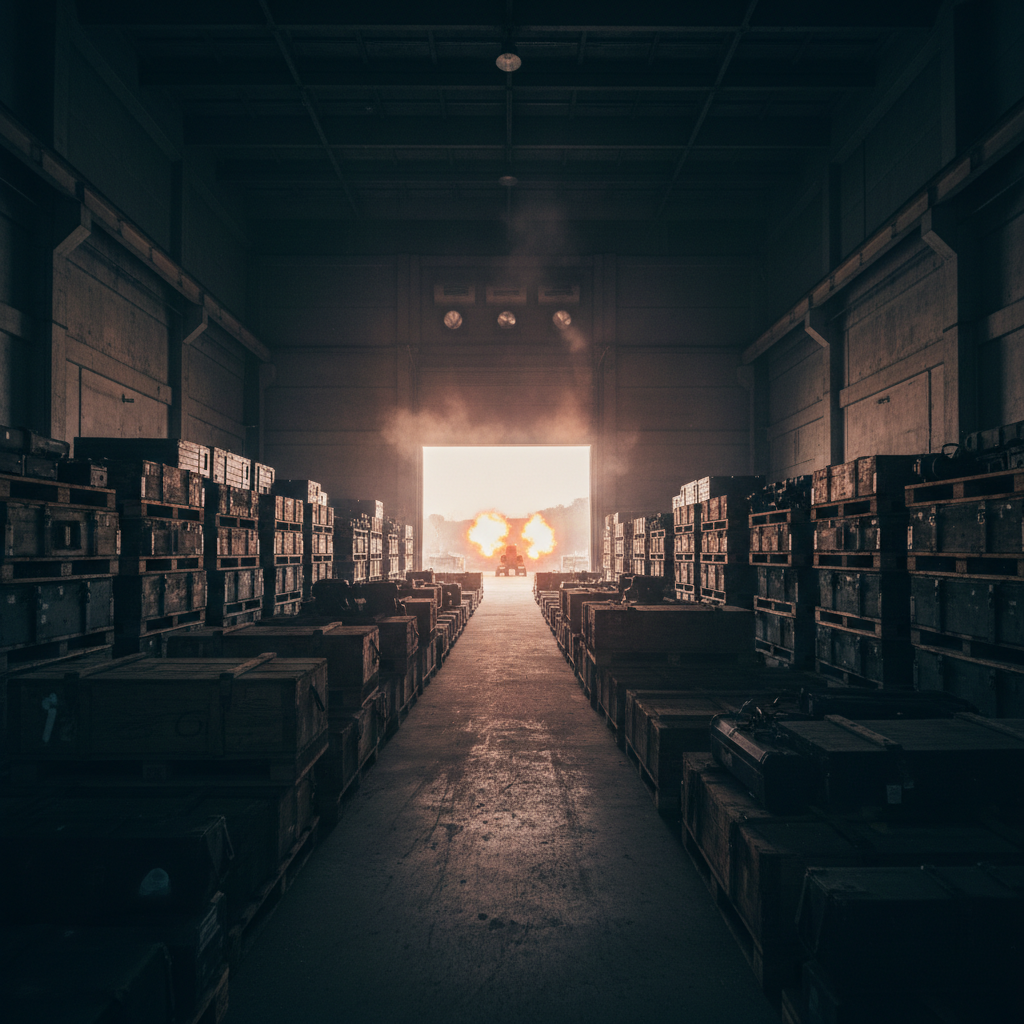
The uncertainty emerged after US Acting Navy Secretary Hung Cao indicated that arms deliveries to Taiwan were on hold. During a Senate Appropriations Defense Subcommittee hearing, Cao explained that the pause was necessary to allow the US to replenish its own military stockpiles, particularly after significant munitions expenditure during recent international operations, including the joint US-Israeli operation in Iran. Cao further stated that foreign arms sales would resume when the administration deems it appropriate.
This development adds a layer of complexity to the already sensitive US-Taiwan relationship, a key factor in regional stability and a major point of contention with mainland China. Earlier in the month, former US President Donald Trump had suggested that arms deliveries to Taiwan could serve as a significant negotiating tool in dealings with China, a remark that appeared to deviate from established US policy.
At the time, Taiwanese President Lai Ching-te had emphasized the importance of these arms sales, describing them as a crucial deterrent against potential aggression. Beijing, however, has consistently opposed close military ties between the US and Taiwan, viewing it as a violation of its 'One-China' policy and interference in its internal affairs.
Broader Implications for US Arms Deliveries
The reported pause in sales to Taiwan is indicative of broader challenges facing US military supply chains. Reports suggest a significant strain on Washington's weapon reserves, prompting concerns about the Pentagon's ability to meet both domestic needs and international commitments. This has reportedly led to warnings issued to European allies, including the UK, Poland, Lithuania, and Estonia, about potential long delays in expected weaponry deliveries. These delays are understood to affect a range of munitions, from those for mobile rocket launchers to anti-aircraft systems.
The Pentagon has acknowledged that it is 'carefully evaluating new requests for equipment from partners as well as existing arms transfer cases to ensure alignment with operational needs.' This careful evaluation, coupled with the need to rebuild depleted stockpiles, suggests a period of recalibration for US arms export policies worldwide, with significant implications for nations reliant on American military hardware for their defense.
The situation underscores the delicate balancing act faced by the US in supporting its allies while maintaining its own defense readiness, a challenge amplified by ongoing global geopolitical instability and increased demand for military supplies.
Synthesized from primary source
RT — https://www.rt.com/news/640414-us-taiwan-arms-sales