Trump Unveils 'Reciprocal Tariffs,' Sparking Global Trade Uproar
President Donald Trump signs executive orders implementing sweeping new tariffs, framing them as a 'historic moment' to reclaim American industry and combat unfair global trade practices.
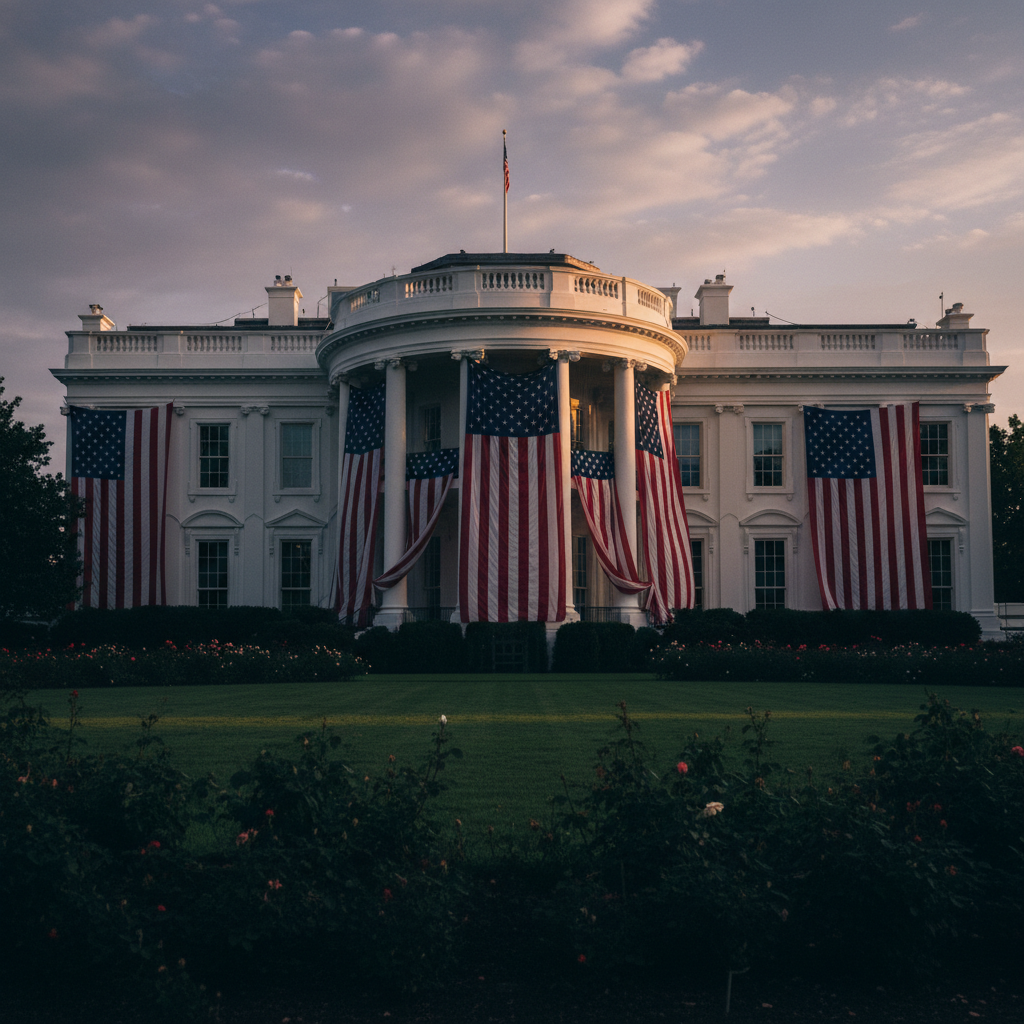
In a dramatic announcement from the White House Rose Garden, U.S. President Donald Trump has officially unveiled a sweeping new set of "reciprocal tariffs" aimed at recalibrating global trade dynamics. Flanked by manufacturing workers and cabinet members, Trump declared April 2, 2025, a "historic moment" that will "forever be remembered as the day American industry was reborn." The move, underwritten by the International Emergency Economic Powers Act of 1977, signals a significant shift in U.S. trade policy, with broad implications for international relations.
Tariff Rollout and Targets
The newly implemented tariffs will begin with a universal 10 percent tax on goods from all countries, set to take effect on April 5. Four days later, on April 9, more targeted tariffs will be introduced for nations with the largest trade deficits with the United States. These higher duties are calculated to approximate half the value of what the U.S. claims these countries charge for their exports. President Trump explained this approach as a more lenient, yet still impactful, measure than a full reciprocation.
Illustrative figures provided by Commerce Secretary Howard Lutnick highlighted the selective nature of the tariffs. The European Union is slated for a 20 percent tariff, China 34 percent, Vietnam 46 percent, and Thailand 36 percent. Notably absent from this specific round of targeted tariffs were Mexico and Canada, the U.S.'s two largest trading partners. However, these neighbors will still face punitive tariffs of 25 percent on most goods outside the USMCA trade agreement, with energy products subject to a 10 percent levy, linked to broader border security policies.
Global Backlash and Economic Concerns
The announcement has sent shockwaves through the international community, drawing swift condemnation from world leaders. Australian Prime Minister Anthony Albanese called the tariffs "totally unwarranted" and "not the act of a friend," while Ireland's Taoiseach Micheal Martin warned of damage to the global economy, stating that "tariffs benefit no one." Even Canada, despite its exemption from the reciprocal tariffs, expressed outrage, with Prime Minister Mark Carney vowing to "fight U.S. tariffs, protect Canadian workers and industries."
Experts predict significant geopolitical ramifications, particularly for developing nations in Southeast Asia, which appear to be among the hardest hit. Dan Ciuriak, director at Ciuriak Consulting, suggested the move could reshape global alliances, potentially leading to an "inward-looking" North America and sparking "tectonic shifts in international relations."
Economists and market analysts are bracing for volatility. While some believe markets may have already priced in the impact, others caution of potential inflation and even recession. The New York Stock Exchange experienced jitters, with futures markets dipping following the announcement, signaling potential challenges for traders and investors.
Trump's Justification and Defense
President Trump framed the tariffs as a necessary corrective measure against decades of perceived exploitation by foreign nations. He asserted that the U.S. had been "looted, pillaged, raped and plundered," leading to job losses and the erosion of the American dream. Beyond punishing unfair practices, Trump suggested the revenue generated could be used to offset the national debt and fund future tax cuts.
He also preemptively addressed potential complaints from foreign leaders, urging them to "terminate your own tariffs" and remove trade barriers. Trump characterized the U.S. approach as "very kind," contrasting it with what he described as the unkindness of being subjected to unfair trade practices.
The long-term economic impact remains a subject of intense debate, with critics arguing that any revival of U.S. manufacturing due to these tariffs will be a distant prospect, and that trade deficits are not inherently negative indicators.
Synthesized from primary source
Al Jazeera — https://www.aljazeera.com/news/2025/4/2/a-historic-moment-donald-trump-unveils-sweeping-reciprocal-tariffs