Tanzania Mourns President Magufuli Amidst Uncertain Future and Mixed Legacies
The East African nation grapples with the sudden death of its 61-year-old leader, John Magufuli, whose tenure was marked by both development and controversy, leaving questions about the country's next steps.
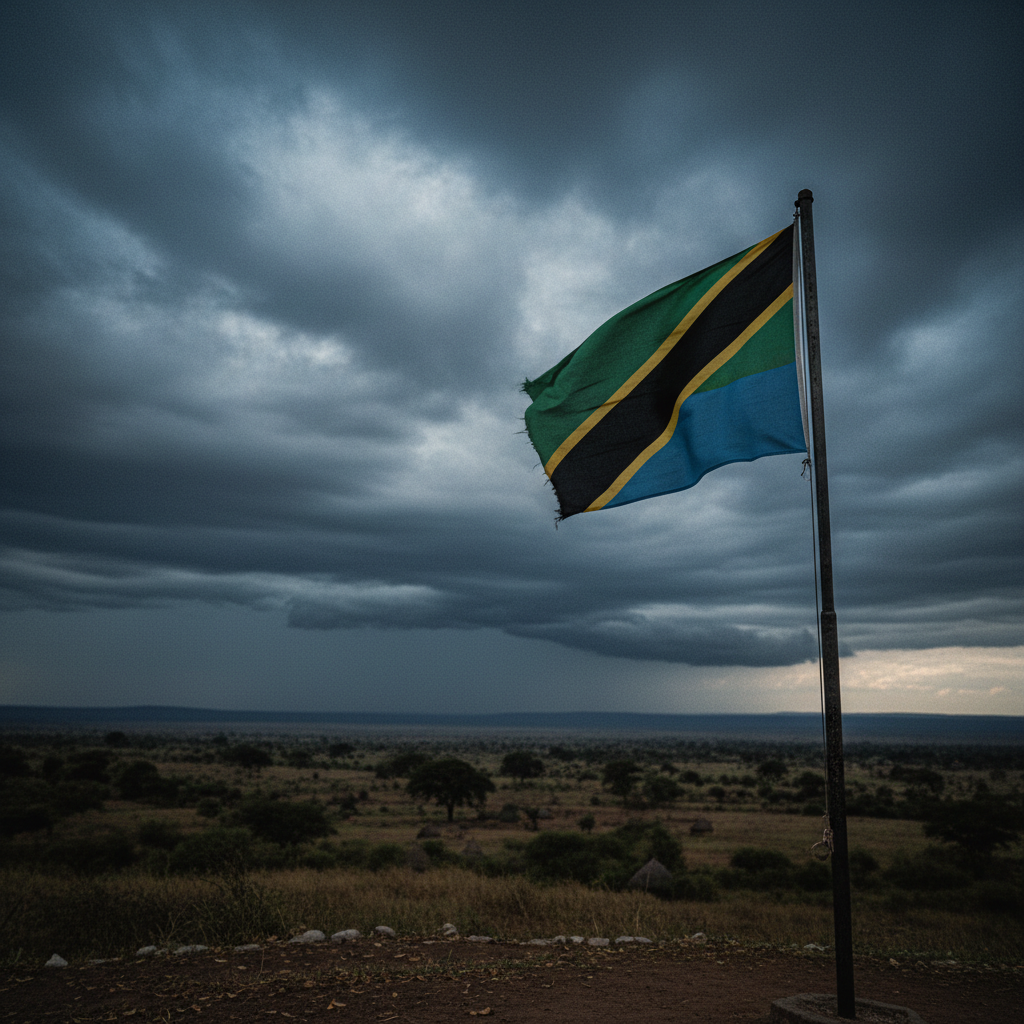
Tanzania is entering a period of mourning and uncertainty following the death of President John Magufuli. The 61-year-old leader passed away due to a heart condition, according to Vice President Samia Suluhu Hassan, who announced the news in a televised address. Magufuli's absence leaves a void in East African leadership, prompting global speculation about the nation's future direction.
Magufuli, often referred to as Tanzania's 'Bulldozer' for his development initiatives, had been a divisive figure during his five-year presidency. His tenure was characterized by significant infrastructure projects and a robust anti-corruption drive, which earned him widespread admiration among many citizens. However, these achievements were often overshadowed by concerns over his government's approach to political freedoms, human rights, and the suppression of dissent.
The circumstances surrounding President Magufuli's health decline were also a source of controversy. He had largely downplayed the severity of the COVID-19 pandemic, even questioning the efficacy of vaccines and prohibiting the reporting of case data. His disappearance from public view in late February fueled widespread speculation about his health, despite official assurances that he was well. The government had even arrested individuals accused of spreading rumors about his illness, highlighting the sensitive nature of information surrounding the presidency.
With Magufuli's passing, Vice President Samia Suluhu Hassan is constitutionally poised to assume the presidency, potentially becoming Tanzania's first female head of state and a trailblazer for the wider East African region. Her rise to power brings a potential shift in political trajectory, particularly concerning the nation's response to the ongoing pandemic and the status of democratic freedoms.
Political analysts and opposition figures are cautiously optimistic about the prospect of change. While acknowledging Magufuli's economic achievements, many express hope for a renewed focus on civil liberties and a more open political environment. Some observers anticipate a potential easing of restrictions and a possible shift in the government's stance on public health issues, including a more transparent approach to the coronavirus.
However, the extent of any potential reforms remains to be seen. The ruling Chama Cha Mapinduzi (CCM) party, which Magufuli led, will likely navigate internal dynamics as it adapts to a new leadership. The coming weeks will be crucial in determining whether Tanzania embarks on a path of significant reform or maintains continuity with Magufuli's legacy. The nation looks to its new leader for guidance and unity during this pivotal moment in its history.
Synthesized from primary source
Al Jazeera — https://www.aljazeera.com/news/2021/3/18/mixed-reaction-over-magufulis-death