Middle East Tensions Flare: Israel-Lebanon Talks, West Bank Violence, and Houthi Strikes
Diplomatic efforts continue in Rome, while incidents in the occupied West Bank and Yemen underscore the region's volatile landscape.
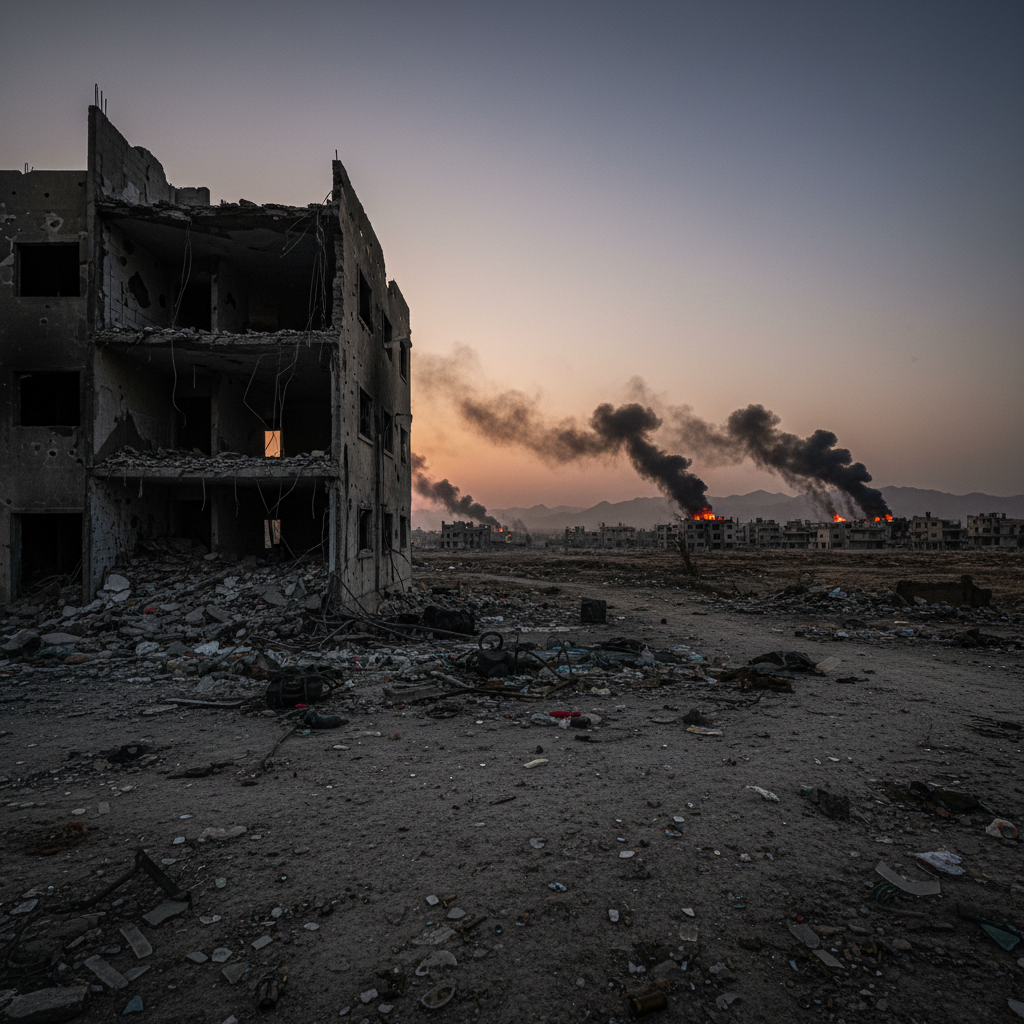
The Middle East remains a focal point of geopolitical tension, with ongoing diplomatic engagements and concerning security incidents dominating headlines. In Rome, Lebanese and Israeli delegations convened for a seventh round of direct talks aimed at solidifying a US-mediated framework agreement. The discussions, which follow previous rounds held in Washington and Rome, center on the phased withdrawal of Israeli forces from occupied Lebanese territories in exchange for the deployment of the Lebanese army and the disarmament of Hezbollah.
West Bank Unrest Continues
The occupied West Bank has seen a surge in violence. Videos circulated online purportedly showing multiple vehicles ablaze following an attack by Israeli settlers near Nablus. This incident comes as the Israeli army announced its intention to confiscate and destroy the home of a Palestinian man accused of shooting Israeli soldiers in the village of Tal in late July. That confrontation resulted in the deaths of at least six people, including two Israeli soldiers, and subsequently triggered a wave of settler and army violence against Palestinians.
Houthi Activity in Yemen
Yemen's Houthi rebels claimed responsibility for a drone strike targeting Najran Airport in Saudi Arabia, stating it was a precise hit on a “sensitive Saudi enemy target.” The group asserted the attack was a response to alleged Saudi violations of Yemeni airspace. Meanwhile, Yemen's internationally recognized government accused the Houthis of planting a landmine that killed four members of the same family and injured six others in Hodeidah province, labeling it one of the deadliest incidents in the region due to the group's extensive mining activities.
Broader Regional Implications
These developments highlight the complex and interconnected nature of conflicts in the Middle East. The Israel-Lebanon talks, while offering a potential path towards de-escalation, face significant hurdles, including verification mechanisms for Hezbollah's disarmament and Israeli insistence on a role in monitoring the process. The ongoing violence in the West Bank, characterized by settler attacks and punitive measures like home demolitions, further fuels Palestinian grievances and regional instability. Simultaneously, Houthi actions in Yemen add another layer of complexity to the already strained relationships between regional powers.
The international community watches closely as diplomatic channels are tested against a backdrop of persistent conflict and escalating tensions across the region. The outcomes of the Rome talks, coupled with the response to the security incidents, will be crucial in shaping the immediate future of these volatile areas.