Libyan Arms Fuel Syria Conflict Amidst Uncontrolled Proliferation
Weapons from Muammar Gaddafi's era are reportedly flowing to Syrian rebels through unofficial channels, raising international alarm over uncontrolled arms trafficking.
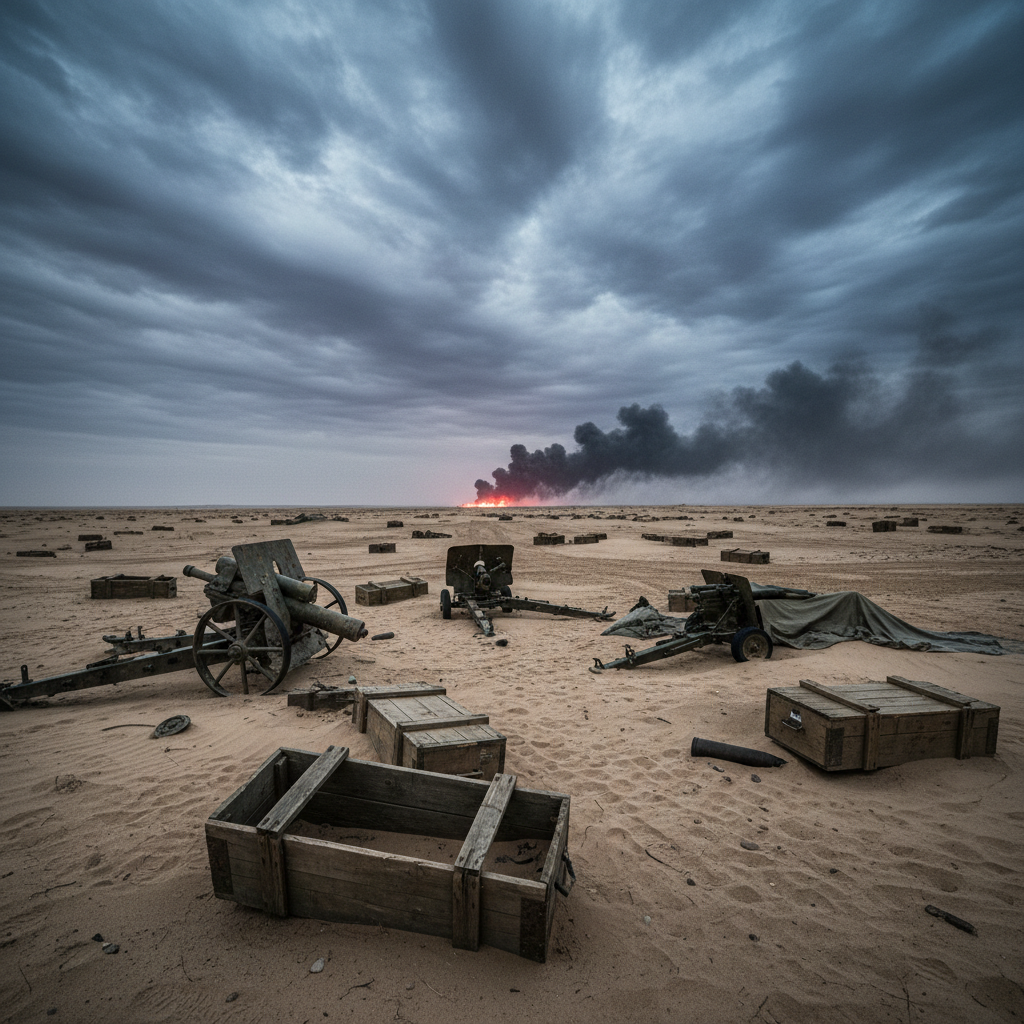
Libya, the nation grappling with the aftermath of the 2011 uprising that toppled Muammar Gaddafi, has emerged as a significant, albeit unofficial, supplier of arms to the Syrian conflict. Reports indicate that a vast stockpile of weapons, loosely supervised since Gaddafi's fall, is increasingly finding its way to Syrian rebel factions through a complex network of official and clandestine operations.
Gaddafi's Legacy Fuels Syrian War
Former revolutionary commander Fawzi Bukatef, now Uganda's ambassador, described the flow of arms as a manifestation of "the enthusiasm of the Libyan people helping the Syrians." This sentiment, however, belies a more intricate and unregulated supply chain. Qatari cargo planes, specifically C-17s capable of carrying substantial payloads, have reportedly made multiple landings in Libya this year. Their mission: to collect weapons destined for the Turkish-Syrian border, from where they are distributed to various rebel groups.
The trade is not confined to air transport. British-Libyan arms dealer Abdul Basit Haroun openly boasted to Reuters that weapons are also dispatched via cargo ships, often disguised as humanitarian aid. Haroun suggested that Libyan authorities are aware, and perhaps tacitly condone, these activities. "The authorities know we are sending guns to Syria. Everyone knows," he stated.
Libyan assembly member Tawfiq Shehabi implicitly supported these operations, referring to figures like Haroun, who was a brigade commander during the Libyan revolution, as engaged in "supporting the Syrian revolution... sending aid and weapons." This suggests a level of official tolerance, if not direct endorsement, for the arms trade.
A Haphazard Distribution Network
The process, as described by those involved, begins with Syrian rebel factions approaching the Supreme Military Council of the Free Syrian Army (FSA). The FSA then allegedly seeks sanction from Turkey, the primary transit point for these weapons, before shipment. According to Safi Asafi, a coordinator on the border, once the weapons arrive in Turkey, they are distributed among rebel brigades based on their manpower and needs.
The initial shipments were primarily light arms, but have reportedly evolved to include more sophisticated weaponry such as Soviet-era Kornets anti-tank missiles and Konkurs-M guided rockets. While officially intended for moderate FSA elements, there are concerns that these arms inevitably reach more extremist groups. Asafi acknowledged that while weapons are not directly distributed to entities like Jabhat al-Nusra, an Al-Qaeda affiliate, these groups can easily acquire them by purchasing from the "approved" recipients.
International Condemnation and Loose Controls
This unregulated flow of arms from Libya has drawn severe criticism from the United Nations. A report released in April highlighted Libya's "alarming rate" of weapon proliferation, warning that the country's substantial, yet poorly controlled, weaponry is enriching the arsenals of various non-state actors, including terrorist organizations. The UN has pointed to the fact that these stockpiles are largely managed by tribal militias and even private citizens, creating fertile ground for illicit trafficking.
The haphazard nature of the arms trade is partly attributed to the restrictions Western and Arab nations have placed on official weapons supplies to Syrian rebels over the past two years. This has inadvertently spurred a booming, unregulated market catering to those not supported by formal channels. The long-term implications of this uncontrolled proliferation remain uncertain, particularly as more international allies relax their own restrictions on arming Syrian opposition forces.
Synthesized from primary source
RT — https://www.rt.com/news/libya-syria-weapons-rebels-117/amp