Israeli Prisons Denounced as 'Torture Camps' by Rights Group
An Israeli human rights organization's report details systematic abuse, starvation, and denial of medical care leading to the deaths of 84 Palestinian detainees.
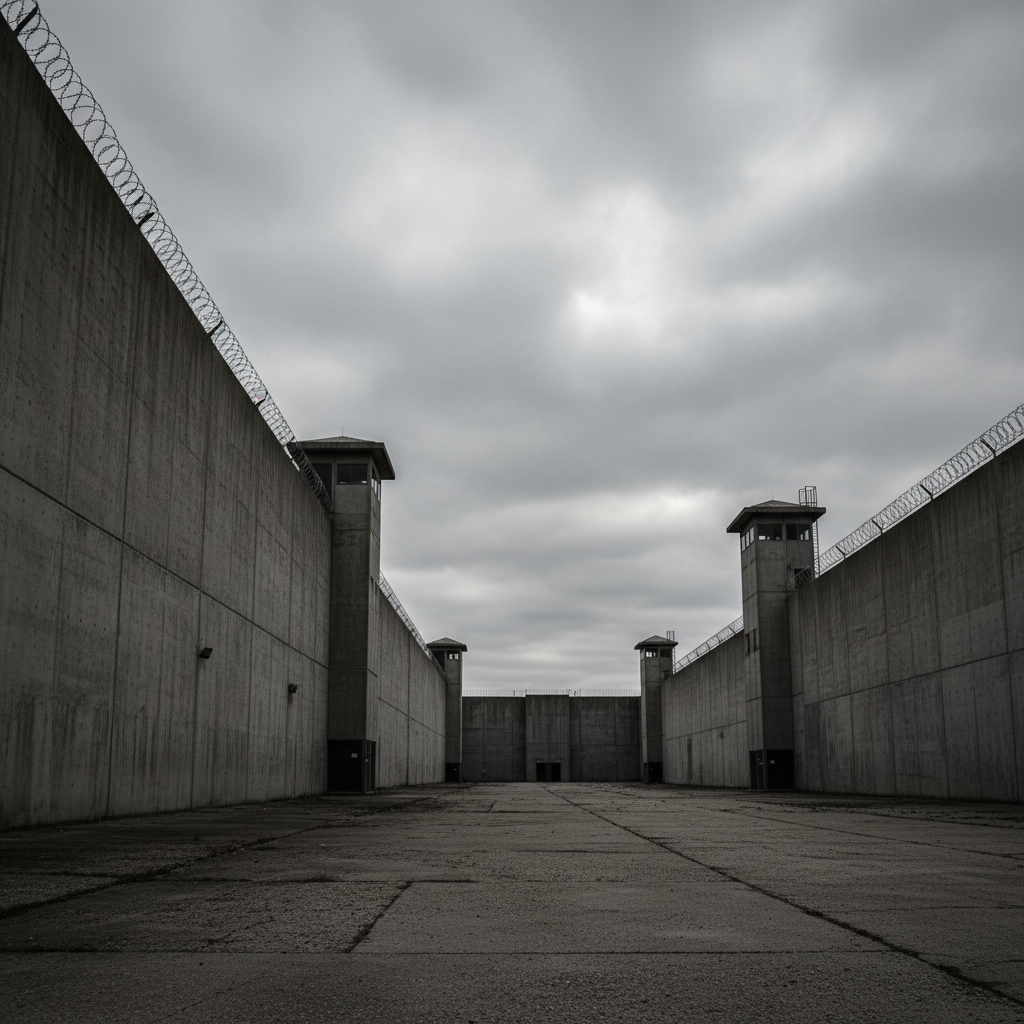
A damning report by Israeli human rights group B’Tselem alleges that Israeli prisons have become systematic "torture camps," contributing to the deaths of at least 84 Palestinian prisoners since October 2023. The organization cites evidence of severe physical and psychological abuse, inhumane living conditions, deliberate starvation, and the denial of essential medical treatment.
Systematic Abuse and Unreturned Bodies
The report, released on a Tuesday, meticulously lists the names of the 84 deceased detainees, including one minor, and the specific facilities where they died. Alarmingly, Israeli authorities are reportedly holding onto the bodies of 80 of these individuals, refusing to return them to their families for burial. B’Tselem emphasized that these verified figures are likely an undercount, as they could only document cases with concrete evidence.
Of the deceased, 50 were from the Gaza Strip, a region subjected to prolonged conflict. Thirty-one were from the occupied West Bank, and three were Israeli citizens. Yuli Novak, Executive Director of B’Tselem, characterized the prison system's transformation as part of a "coordinated onslaught on Palestinian society" aimed at "destroying their existence as a collective." She linked these actions directly to the ongoing conflict in Gaza and policies in the West Bank, describing them as the most overt manifestations of this destructive agenda.
Testimonies of Violence and Interrogation Brutality
B’Tselem's findings are corroborated by testimonies from 21 Palestinians recently released from Israeli detention facilities. These accounts reveal disturbing patterns of abuse, including instances of sexual violence, forced stripping, severe genital injuries inflicted through beatings, and attacks involving dogs. Interrogation methods described in the report include prolonged confinement in a facility referred to as the "disco room," where prisoners endured regular electric shocks while being deprived of food and basic sanitation.
These revelations echo concerns raised in B’Tselem's August 2024 report, "Welcome to Hell." Novak expressed frustration with the international community's response, stating, "Despite mounting evidence and numerous reports on Israel’s torture camps, the international community continues to grant this regime full immunity – effectively legitimizing the continued torture, oppression and ethnic cleansing of Palestinians and abandoning the victims."
Administrative Detention and Discriminatory Justice
A significant portion of Palestinian detainees are held under administrative detention, a policy allowing for indefinite imprisonment without charge or trial, renewable every six months. Critics argue this process, alongside the military court system where most Palestinians, including children, are tried, constitutes a two-tier justice system. Unlike Israeli citizens tried in civil courts, Palestinians often face lengthy sentences with limited access to legal defense and due process, leading to accusations of sham trials.
The report also notes that bodies of some Palestinians returned to Gaza after initial ceasefires have shown signs of torture and execution. Families have been forced to identify deceased relatives through photographs of severely mutilated remains.
Attempts to Silence Survivors and Political Endorsement
B’Tselem faced challenges in gathering evidence due to Israeli authorities allegedly intimidating released prisoners. Testimonies suggest threats of re-arrest were issued to deter individuals from speaking about their experiences. This tactic, the report argues, exemplifies how Israel utilizes detention as a tool for Palestinian oppression.
While Israeli authorities have consistently denied abuse allegations, claiming adherence to international law, the report points to a stark contrast with the public statements and actions of some officials. Far-right National Security Minister Itamar Ben-Gvir, responsible for the prison system, has been publicly filmed with bound prisoners and has advocated for harsher measures, including the death penalty for Palestinians.
B’Tselem spokesperson Yair Dvir urged the international community to employ all available legal tools to halt these alleged crimes. The report concludes that the systemic torture and abuse are not clandestine operations but are "put on public display, with no attempt to conceal or obscure it," indicating a policy endorsed by the political, judicial, and prison systems.
Synthesized from primary source
Al Jazeera — https://www.aljazeera.com/news/2026/1/20/israeli-prisons-are-akin-to-torture-camps-israeli-rights-group-finds