Israel Expands Deep into Lebanon, Capturing Strategic Sites
Israeli forces push beyond the Litani River, seizing key locations and extending evacuation orders, raising concerns about long-term strategic objectives.
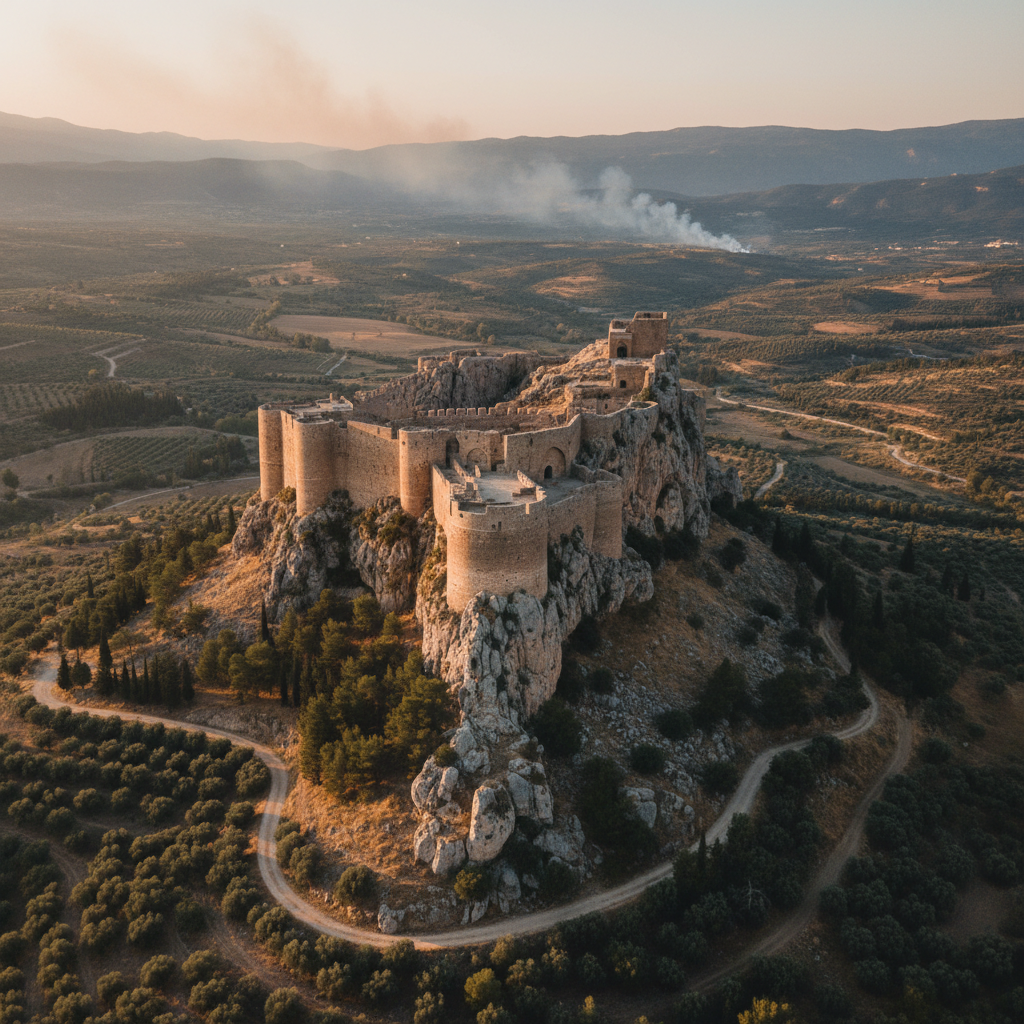
Israeli forces have advanced significantly into southern Lebanon, reaching the outskirts of the city of Nabatieh and capturing the historically significant Beaufort Castle. This incursion, which extends beyond the Litani River, occurs despite an existing ceasefire agreement and marks Israel's deepest push into Lebanese territory in over 25 years.
Escalation Beyond Initial Objectives
Initially, Israel stated its goal was to clear Hezbollah fighters from areas south of the Litani River. However, recent operations have seen troops moving much farther north. The Israeli military has issued evacuation orders extending to the Zahrani River, substantially increasing the area under its de facto control. Troops have reached towns near Nabatieh, a known Hezbollah stronghold, while strikes have reportedly caused casualties.
The ongoing advance coincides with US-mediated negotiations between Israel and Lebanon aimed at a permanent cessation of hostilities and the disarmament of Hezbollah. Simultaneously, a fragile ceasefire between Washington and Tehran is increasingly linked to developments in Lebanon, with Iranian officials emphasizing an Israeli withdrawal as crucial for broader diplomatic progress.
Strategic Significance of Nabatieh and Beaufort Castle
Nabatieh holds considerable importance beyond its military role. Analysts describe it as a vital political, economic, and social hub for Lebanon's Shia community, connecting southern Lebanon with the Bekaa Valley and Beirut. Gaining control of Nabatieh would provide Israel with greater operational depth, allowing it to exert more pressure on Hezbollah's command and logistics. More critically, it suggests a potential shift from merely securing the border to dismantling Hezbollah's established territorial and communal infrastructure.
The recapture of Beaufort Castle, a Crusader-era fortress overlooking the Litani River valley, offers both military and symbolic advantages for Israel. Its elevated position provides strategic observation and fire-control capabilities over a wide swathe of southern Lebanon. Historically a site of intense conflict, its seizure by Israeli forces, who occupied it for years before withdrawing in 2000, carries significant historical resonance and enhances Israel's control over key movement and supply routes.
Shifting Objectives and Long-Term Implications
The expansion of evacuation orders north of the Litani River to the Zahrani River has prompted speculation about Israel's ultimate intentions. Experts suggest that the move indicates a desire to establish a deeper security buffer zone, potentially paving the way for prolonged territorial control or creating leverage for future political negotiations. Senior Israeli officials have referenced past military actions and spoken of a need for a more permanent territorial strategy.
Analysts believe Israel's current actions may aim to systematically degrade Hezbollah's military and logistical capabilities within southern Lebanon, creating a depopulated or devastated area to hinder the group's operations. While a permanent occupation similar to the 1980s and 1990s may not be the stated goal, the current trajectory points towards a sustained system of military control, surveillance, and freedom of action within Lebanese territory.
Furthermore, the continued Israeli military escalation risks undermining the Lebanese government's efforts to assert its authority and negotiate a lasting peace. Instead, it may inadvertently bolster Hezbollah's narrative that armed resistance is necessary, potentially strengthening its influence among the population and delegitimizing peace talks.
Synthesized from primary source
Al Jazeera — https://www.aljazeera.com/news/2026/5/31/israeli-forces-push-past-lebanons-litani-river-how-significant-is-it