Israel and Jordan Plan Joint Science Center to Foster Peace
A new educational campus in the Jordan Rift Valley, backed by US universities, aims to bridge cultural divides and offer a common ground for scientific collaboration.
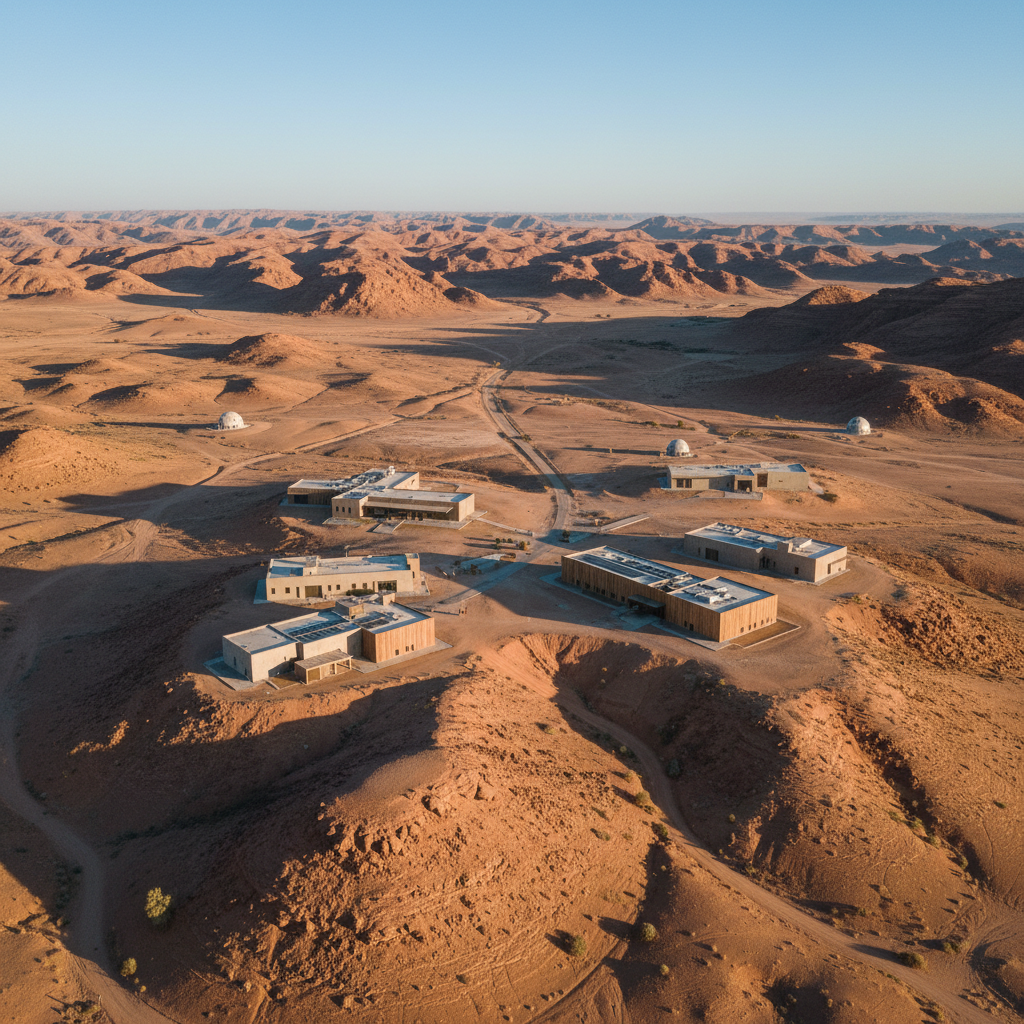
New Campus to Foster Collaboration in Jordan Rift Valley
Israel and Jordan are set to establish a groundbreaking joint science and education center, tentatively named "Bridging the Rift," in the Jordan Rift Valley. The ambitious project, envisioned by educators and business leaders from both nations and the United States, aims to create a 150-acre campus that could be operational within five years. The initiative signals a significant step towards deepening ties beyond the 1994 peace treaty, which has seen limited cultural and economic exchange, often strained by regional conflicts.
High-Level Support and Donor Funding
The project has garnered support from the highest levels, with Israeli Prime Minister Ariel Sharon hosting organizers and expressing his commitment. Sharon indicated he would soon meet with Jordan's King Abdullah II to discuss the initiative, highlighting the strategic importance placed on this collaboration. Funding for the center will come from private donors, with backing secured from prestigious American institutions like Stanford and Cornell universities. A section of the border fence separating Israel and Jordan, situated between the Red and Dead Seas, has already been dismantled to accommodate the campus.
A Hub for Regional Science and Research
Proponents believe the "Bridging the Rift" center will develop into a vital scientific hub for the Middle East, revitalizing the dormant potential of the Israeli-Jordanian peace accord. Mati Kochavi, an Israeli businessman based in New York and a key figure behind the project, emphasized the need for tangible actions demonstrating peace. He articulated that science offers a universal language capable of bringing Israeli and Jordanian students together, moving beyond historical conflicts and the battlefield.
Overcoming Bureaucracy and Opposition
The chosen location in the remote desert was selected for its strategic distance from population centers, intended to mitigate potential opposition. The planning process involved overcoming significant bureaucratic hurdles to establish a unique "free education zone." A key challenge addressed was the legal status of the bi-national campus, with a resolution ensuring Israeli students remain under Israeli law and Jordanian students under Jordanian law. Students will have the unprecedented freedom to move between countries without passports or visas, utilizing a special student card to access facilities and faculty on both sides.
Desert Research and Shared Future
A significant focus of research at the center will be the region's desert environment, leveraging a shared interest in sustainable development and resource management. Kochavi suggested that understanding and utilizing the desert represents a common challenge and opportunity for both nations. Despite the potential benefits, the project has faced some internal opposition in Jordan, with groups like the Jordanian Professional Associations voicing concerns about students studying alongside Israelis, whom they refer to as the "Zionist enemy." Organizers hope the center's remote location and academic focus will help overcome these sensitivities and build a foundation for a more integrated future.
Synthesized from primary source
Al Jazeera — https://www.aljazeera.com/news/2004/3/9/israel-jordan-science-centre-planned