Global Energy Shock Fuels Multipolar World Amidst Strait of Hormuz Crisis
Disruptions in the Persian Gulf are igniting inflation and economic instability, positioning China and Russia to gain geopolitical advantage as global order shifts.
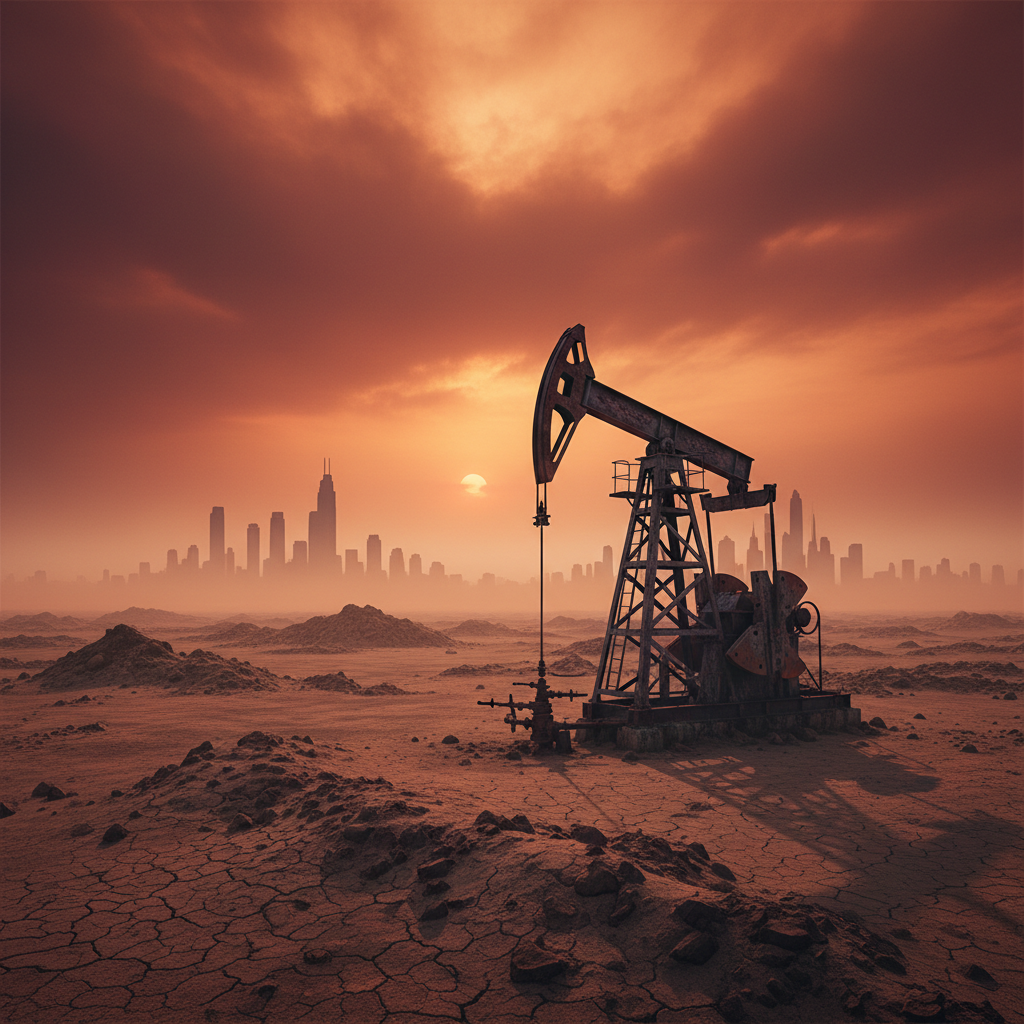
A cascading energy crisis, triggered by disruptions in the Persian Gulf, is rapidly reshaping the global economic and geopolitical landscape. The effective closure of the Strait of Hormuz, a critical chokepoint for global oil transport, has removed a significant portion of the world's energy supply from the market, leading to escalating inflation, supply chain chaos, and an acceleration towards a multipolar international system.
A New Era of Energy Scarcity
The ongoing conflict involving Iran and the resultant US-led blockade in the Persian Gulf have led to a severe energy shock, eclipsing previous crises like the 1973 OPEC embargo and the 1990-91 Gulf War. While those events saw approximately 7% and 2% of global oil supply disrupted respectively, the current situation has plunged up to 20% of supply into jeopardy for an extended period. Despite the magnitude of the disruption, global markets have displayed an unusual calmness, with oil prices seeing only a modest increase compared to historical precedents. This market behavior is largely attributed to a widespread betting on a swift diplomatic resolution and substantial drawdowns from strategic petroleum reserves (SPRs) by major consumers like China and the United States.
However, this apparent stability masks a more precarious reality. The depletion of SPRs, particularly in the US, which are now at multi-year lows and approaching historical depletion points, leaves the world increasingly vulnerable. Furthermore, recovering shut-in oil production and returning idle tankers to service are complex and time-consuming processes. Even an optimistic scenario involving the reopening of the Strait of Hormuz suggests a lengthy period before pre-crisis output levels are restored, with significant global supply still remaining offline.
Uneven Impacts and Shifting Alliances
The repercussions of this prolonged energy crisis will be felt unevenly across the globe. Poorer nations, especially in Africa, are poised to suffer the most acutely. With high reliance on food imports and significant portions of income spent on sustenance, rising fertilizer prices—driven by reduced natural gas and oil availability—threaten to trigger widespread food insecurity and social unrest. The current price hikes for key agricultural inputs, mirroring patterns seen during the 2007-2008 food price crisis, could reignite similar mass protests and instability in vulnerable regions.
Conversely, the crisis presents significant strategic opportunities for nations like China and Russia. China, while initially impacted as the world's largest oil importer, benefits from its robust green energy sector, which is seeing surging demand. Russia, a major oil producer and exporter, is strategically positioned to exert considerable influence. The crisis empowers Moscow to leverage its energy dominance to push for the lifting of sanctions and a reassessment of its role in supporting Ukraine.
The Road Ahead: Economic Strain and Geopolitical Realignment
Even with a resolution to the immediate conflict, the era of cheap energy and commodities appears to be over. Analysts predict sustained higher prices for oil, gas, and fertilizer well into the future. This sustained price pressure is expected to lead to a global recession, as predicted by various consulting firms. The combination of economic hardship, coupled with growing resentment against perceived Western economic dominance, may also serve as a catalyst for developing nations to further detach themselves from traditional spheres of influence and pursue more independent foreign policies.
The energy shock is thus not merely an economic event; it is a powerful accelerant for the ongoing transition to a multipolar world. As traditional power structures are tested and existing global economic assumptions are upended, emerging powers are increasingly positioned to define a new international order based on diversified economic partnerships and regional cooperation.
Synthesized from primary source
The Cradle — https://thecradle.co/articles/the-energy-shock-that-could-accelerate-a-multipolar-world