Filipino Workers Among Casualties in Iraq Violence
An attack on a US military base in Iraq has claimed the lives of Filipino workers, highlighting the continued dangers faced by foreign nationals assisting in reconstruction efforts.
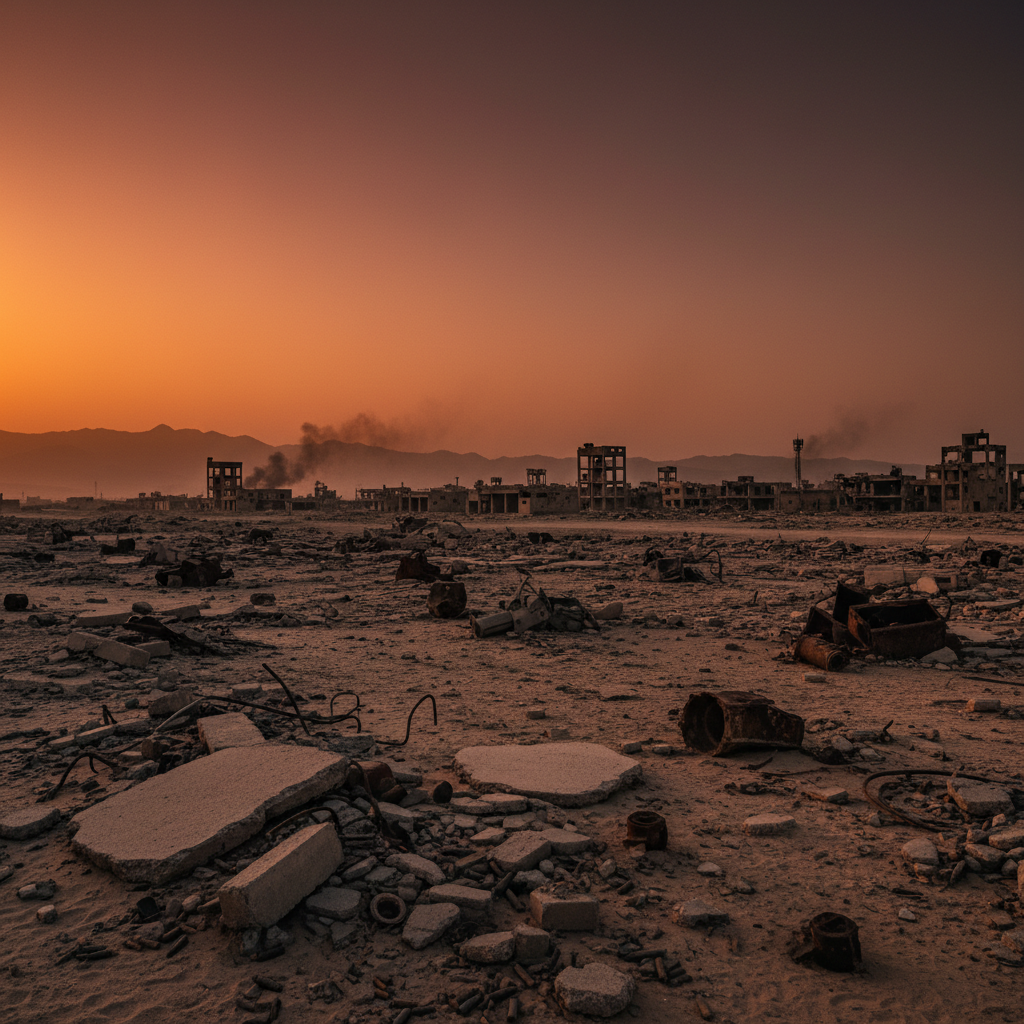
Two Filipino contract workers were killed in an attack targeting Camp Anaconda in Balad, Iraq, approximately 80 kilometers north of Baghdad. The incident underscores the persistent risks faced by civilians employed at military facilities in the country. The Philippines, a notable ally of the United States, has a significant presence in Iraq, with over 1360 military and civilian staff, including approximately 100 police, soldiers, and medical personnel contributing to reconstruction initiatives.
escalating violence
The attack on Camp Anaconda comes amidst a broader wave of violence impacting foreign nationals working in Iraq. In a separate incident near Baghdad, a Russian engineer was killed, and two others were abducted when their convoy came under fire. The Russian company, Interenergoservis, confirmed the fatalities and stated that the two engineers were alive but their whereabouts remained unknown.
Further compounding the security concerns, an ambush in Baquba resulted in the death of a member of Iraq's US-backed Civil Defence Corps (ICDC) and wounded another. The ICDC, a critical component of the nascent Iraqi security forces, has been a frequent target for resistance fighters seeking to disrupt the establishment of stable governance.
political dynamics and regional calls for peace
Meanwhile, political tensions simmer within Iraq. In Basra, the Badr Brigades, the military wing of the Supreme Council for Islamic Revolution in Iraq (SCIRI), staged a demonstration celebrating the anniversary of a prominent cleric's return. However, the event was also interpreted as a subtle challenge to the influence of Muqtada al-Sadr's Mahdi Army. Al-Sadr has reportedly been under increasing pressure from other Shia factions to temper his rhetoric and exercise restraint.
Adding another layer to the complex situation, Iraq's Foreign Minister Hoshiyar Zibari revealed that Arab states have yet to commit to providing peacekeeping troops. Zibari had appealed to his Arab counterparts for assistance, emphasizing the potential for a security vacuum and escalating civil conflict should international forces withdraw without adequate local support. The absence of a commitment from neighboring Arab nations highlights the challenges in building a cohesive regional security framework for Iraq.
Synthesized from primary source
Al Jazeera — https://www.aljazeera.com/news/2004/5/12/filipinos-killed-in-us-camp-attack