Costa Concordia Salvage: Wreck Floats After Unprecedented Operation
The luxury liner, which capsized off Italy in 2012 killing 32, is refloated in a massive, risky engineering feat before its final journey.
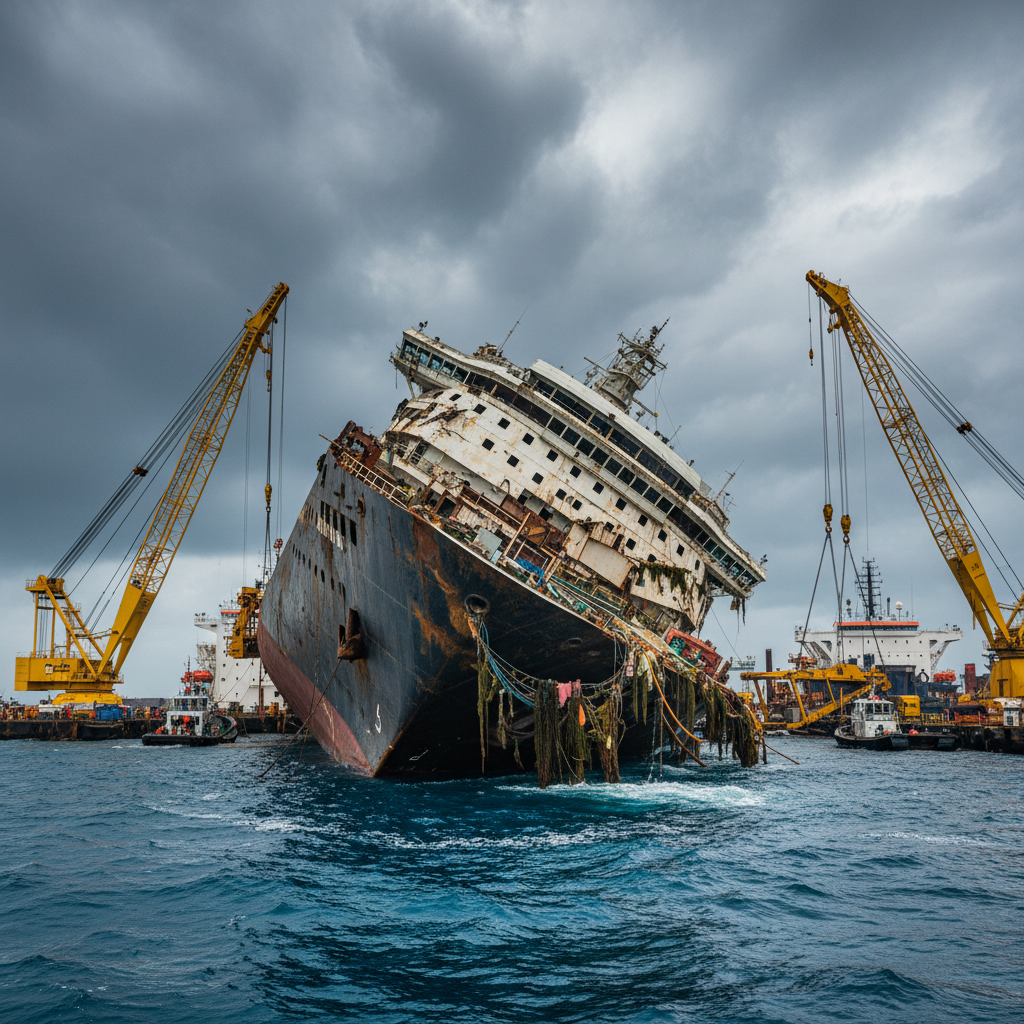
In a landmark feat of maritime engineering, the wreck of the Costa Concordia cruise ship has been successfully refloated more than two years after it ran aground off the Italian island of Giglio. The colossal 114,500-tonne vessel, which crashed into rocks in January 2012 with the loss of 32 lives, began its final voyage to a shipyard for dismantling on Monday.
A Risky, Unprecedented Operation
The salvage operation, one of the largest of its kind ever attempted, involved carefully rotating the hull upright in September 2013 and then attaching buoyancy tanks. The successful refloating marks the culmination of painstaking planning and execution. "The ship is upright and is not listing either longitudinally or latitudinally. This is extremely positive," stated Franco Porcellacchia, the lead engineer overseeing the salvage, as reported by Reuters. He acknowledged that the initial raising of the massive vessel was the most critical phase, never before attempted with a passenger ship of this magnitude.
Nick Sloane, the South African engineer in charge of the complex operation, had previously told AFP that refloating such a large passenger ship was an unprecedented undertaking. The disaster claimed the lives of 32 people, with the remains of one victim, Russel Rebello, still awaiting recovery. Italian officials confirmed that a search for Mr. Rebello's remains would commence once the ship was towed away.
Environmental Concerns Loom
While the refloating is a significant engineering success, environmental groups have voiced serious concerns about the potential fallout. "We're talking about a floating city kitted out for thousands of passengers, with gallons of pollutants such as oils, detergents and sewage chemicals still inside," warned Giorgia Monti of Greenpeace. There is a palpable fear that the rusting hull could break apart during its tow, releasing toxic substances into the pristine waters of the Tuscan Archipelago National Marine Park, one of Europe's largest marine sanctuaries.
The Costa Concordia is destined for the port of Genoa, approximately 240 kilometers to the north, where it is expected to arrive by the end of the month. The estimated cost of the salvage operation has already reached a staggering $1.5 billion. The tow itself, expected to take several days, is fraught with potential environmental hazards, including the risk of leakage from the approximately 100 tonnes of fuel and over 263,000 cubic meters of polluted water accumulated in the ship's lower decks.
Trial of the Captain Continues
Meanwhile, the ship's captain, Francesco Schettino, remains on trial, facing charges of manslaughter, causing the shipwreck, and abandoning the vessel before all passengers were safely evacuated. Four other crew members and an executive from the ship's owner, Costa Crociere, have accepted plea bargains, and the company has acknowledged limited responsibility as Schettino's employer. Costa Crociere has insisted that any fuel leakage during the tow would be comparable to that typically discharged by any vessel crossing the region.
Synthesized from primary source
Al Jazeera — https://www.aljazeera.com/news/2014/7/14/costa-concordia-wreck-floats-for-first-time