Al-Qaeda Suspect's Plea Deal Raises Concerns Over Solitary Confinement
A Pakistani-American student's last-minute guilty plea in a terrorism case is being questioned by legal experts who cite his three years in harsh solitary confinement as a potential coercive factor.
US Citizen Pleads Guilty to Supporting Al-Qaeda Amid Controversy
Fahad Hashmi, a Pakistani-born American student, has entered a guilty plea to charges of aiding Al-Qaeda, just two days before his trial was set to commence in New York. The plea deal, accepted by Hashmi after nearly three years of pre-trial detention, has ignited concerns among legal professionals and civil liberties advocates regarding potential coercion due to the severe conditions of his incarceration.
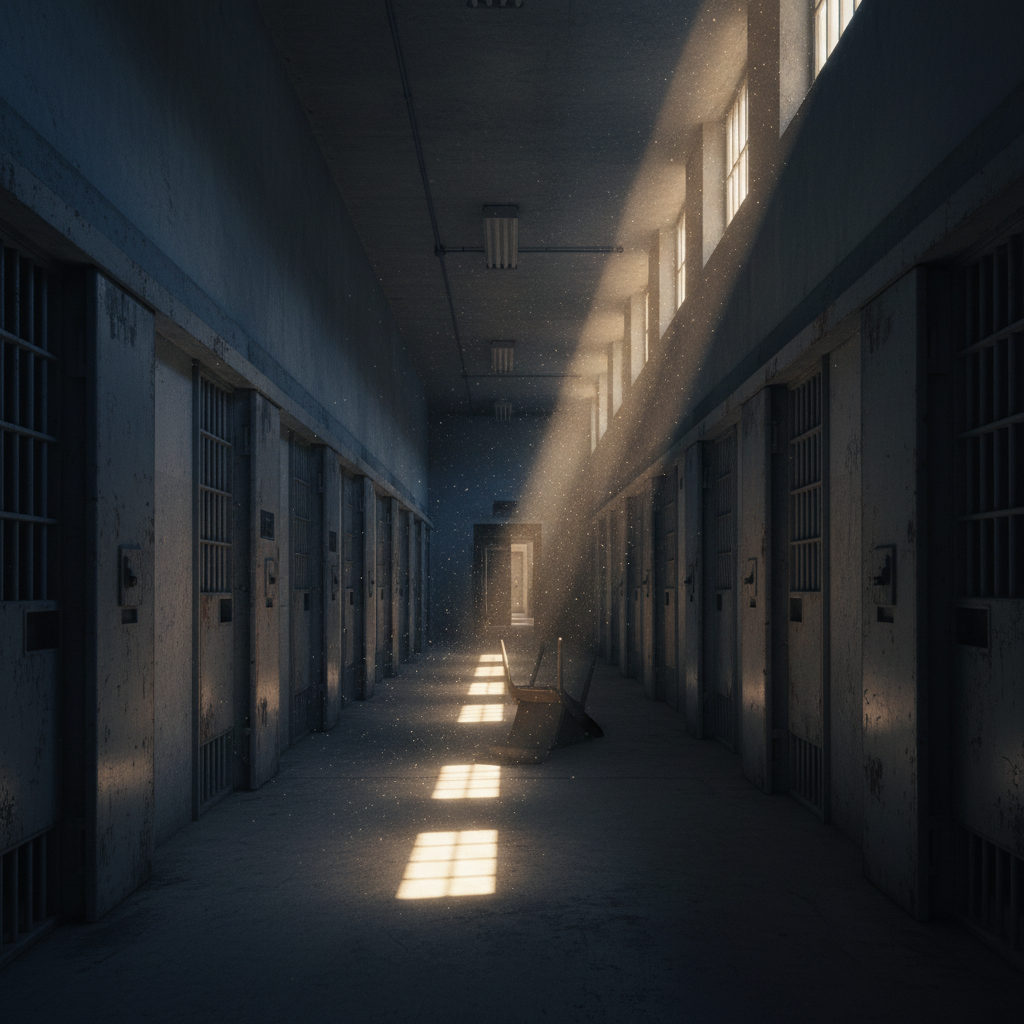
Hashmi was arrested in June 2006 at London's Heathrow Airport and subsequently became the first individual to be extradited from the United Kingdom to the United States on terrorism-related charges. Since his detention, he has been held under what are known as 'special administrative measures' (SAMs). These measures have subjected him to extreme isolation, confining him to his cell for 23 hours a day with virtually no human contact.
Questions Raised About Psychological Pressure and Rights Violations
Shayana Kadidal, a lawyer affiliated with the Center for Constitutional Rights, has voiced strong reservations about the fairness of the proceedings and the impact of Hashmi's isolation. "I think it’s pretty clear what they are trying to do here… is increase the psychological pressure on him to the point where he would cave in and agree to a plea agreement and then start talking about everybody else he knew in his political circles," Kadidal stated in comments to RT. She likened the tactic to interrogation methods used in facilities like Guantanamo Bay, suggesting that prolonged solitary confinement can be employed as a tool for eliciting information and confessions.
The conditions of Hashmi's confinement reportedly included severely limited contact with his family. His parents were allegedly permitted to see him only once a week, and even these visits were eventually prohibited altogether, further isolating the detainee.
Dubious Evidence and Allegations of Material Support
The core of the prosecution's case against Fahad Hashmi reportedly rested on the testimony of an individual who had previously stayed at Hashmi's residence in 2004. According to officials cited by RT, this witness allegedly provided information suggesting Hashmi was attempting to offer material support to terrorists. The specific nature of this alleged support is reported to have involved carrying, or intending to carry, items such as ponchos and raincoats in his luggage. Critics have questioned the significance of such items, deeming them questionable 'military gear' and casting doubt on the strength and relevance of the prosecution's evidence.
The controversial nature of the plea deal, coupled with the widely criticized use of prolonged solitary confinement in pre-trial detention, has led to calls for a thorough review of the legal tactics employed in terrorism cases and a greater emphasis on protecting the fundamental rights of defendants.
Synthesized from primary source
RT — https://www.rt.com/news/guilty-al-qaeda-accomplice/amp